Race, Residential Segregation, and the Death of Democracy: Education and the Myth of Postracialism
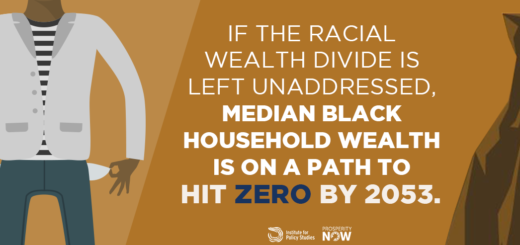
Since the 1930s, federal housing policies and individual practices increased the spatial separation of whites and blacks. Practices such as redlining, restrictive covenants, and discrimination in the rental and sale of housing not only led to residential segregation by race but also continue to shape Whiteness and frame narratives about what constitutes Blackness. Despite the judicial and legislative victories of the civil rights movement, including the Brown v. Board of Education of Topeka, Kansas decision, the Civil Rights Act of 1964, the Voting Rights Act of 1965, and the Fair Housing Act of 1968, residential segregation persists and in many cases has grown. Claims of a postracial society notwithstanding, the continued segregation of Blacks and Whites exacerbates racial wealth inequality, racial achievement gaps, and racial profiling. Using White racial frame and critical race theory, we explain the persistence of residential segregation amid growing ethnic diversity in the United States. We also demonstrate why current efforts to narrow racial gaps in wealth, education, and the criminal justice system have failed. Finally, we discuss several important tenets that must guide efforts to curb the epidemic of death by residential segregation in America.
Author Profile

Latest entries
 Labor Rights08/24/2026Socialists’ Winning Streak Is an Opportunity for Unions
 Political Elections08/21/2026Abdul El-Sayed Beats the Democratic Establishment and AIPAC in Michigan
 Democratic Socialism08/14/2026No, AOC: “Woke” Wasn’t “Crazy” the Way You Say It Was
 Political Elections08/13/2026The Socialist Electoral Project Still Hasn’t Hit Its Ceiling