Trump’s War in Iran is Eating Up Your Paycheck
David Jamison
Oct 15, 2026
What is the article about?
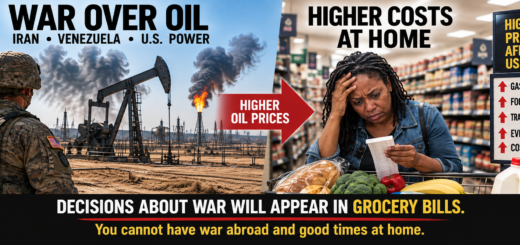
The fundamental argument of this article is that the war in Iran is contributing to rising prices, higher energy costs, and declining purchasing power among American workers. Although workers’ wages are increasing, prices are rising even faster. Consequently, their real standard of living is declining despite receiving higher wages. This is the central economic paradox: rising wages accompanied by a declining standard of living.
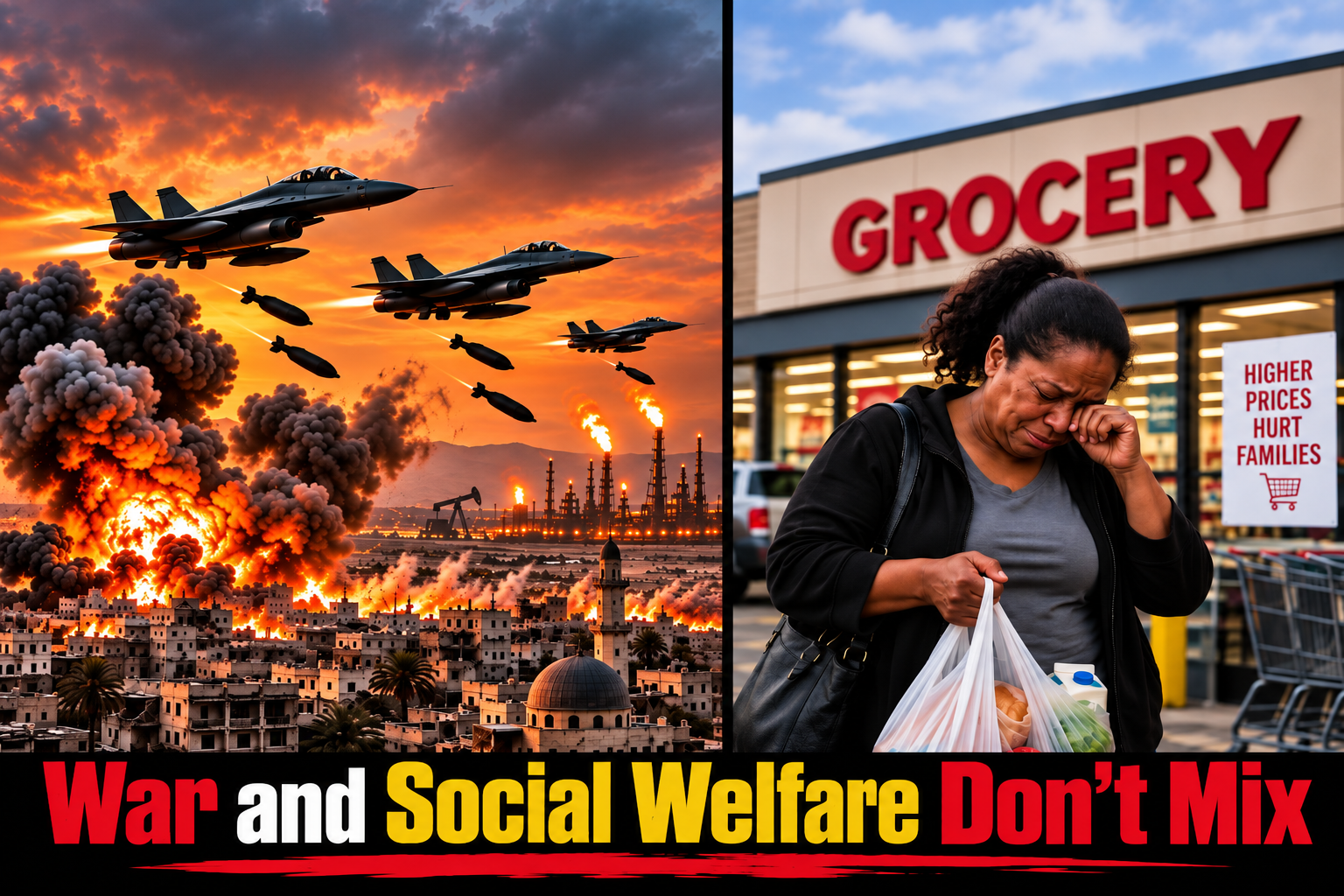
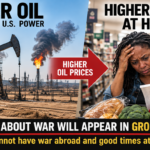
The article reinforces an old political adage: You cannot wage war abroad and have bread and butter at home. Military conflicts have economic consequences that extend far beyond the battlefield. In this case, the war in Iran is disrupting oil supplies, driving up gasoline and transportation costs, and contributing to higher prices throughout the economy. These rising costs make it increasingly difficult for working-class households to make ends meet.
The larger lesson is that decisions about military intervention abroad have direct consequences for everyday life at home. The economic burden of war is not limited to government military expenditures; it is also reflected in the rising cost of food, transportation, housing, and other basic necessities.
The bottom line is simple: When prices rise faster than wages, workers lose purchasing power and can afford fewer goods and services. Even when their paychecks grow, their economic well-being deteriorates. Thus, the costs of war are borne not only by those on the battlefield but also by ordinary working people struggling to maintain their standard of living.
Why should you read it?
This article provides a valuable lesson about the relationship between war abroad and everyday life at home. It demonstrates that military conflict is not limited to the battle field, but is also reflected in your home and pocketbook. The wars overseas show up at the gasoline pump, the grocery store, the pharmacy, and in the monthly bills that ordinary people struggle to pay. The bottom line: you cannot separate the cost of war abroad from the struggle for bread and butter at home.
Reaction
Donald Trump uses rhetoric and ideology to hide the truth about his dirty little war from the U.S. people. War abroad will always have an economic impact at home. Spending billions to wage war, means that you will have fewer services back home. Disrupting international oil markets, means that prices back home are going to rise, giving birth to the paradox—workers making more money but becoming poorer.
Author Profile

Latest entries
 War10/15/2026
 Political Elections10/08/2026“GOP is already deep in the stages of grief as midterm losses loom”, Emily Singer, Daily Kos.
 War09/16/2026“No good options: Trump insiders reveal crisis that ‘thwarted’ the GOP”, Nick Hilden, AlterNet.
 Labor Rights08/24/2026Socialists’ Winning Streak Is an Opportunity for Unions