Author: UB Center for Urban Studies

Legislating the Gig Worker Economy

By Liz Farmer

Read the series on the gig economy from the Rockefeller Institute here.

“Part One of this series will address the legislative approach to protecting gig workers’ rights in California and other states. Part Two looks at efforts to protect gig companies. Part Three will look at how the COVID-19 economic crisis might influence the gig economy and labor policy going forward.”
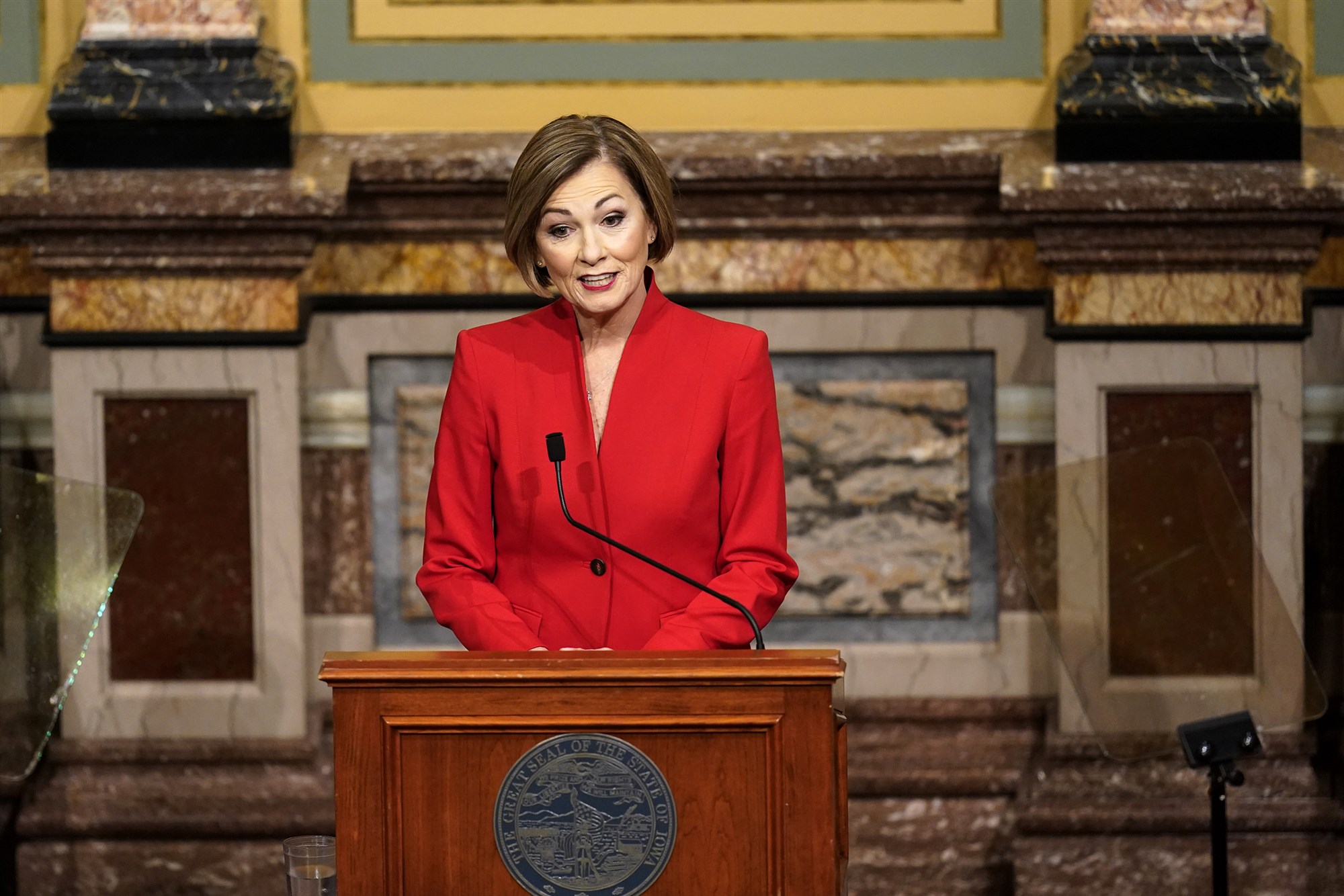
Iowa governor signs Republican bill restricting voting access into law

By The Associated Press

Read the full article from NBC News, here.

Iowa Gov. Kim Reynolds on Monday signed into law a Republican-backed bill that makes it harder to vote early, potentially eroding a key aspect of Democratic campaigns. Republicans in the House and Senate quickly approved the voting changes over the opposition of all Democratic legislators. Republicans said the new rules were needed to guard against voting fraud, though they noted Iowa has no history of election irregularities and that November’s election saw record turnout with no hint of problems in the state.

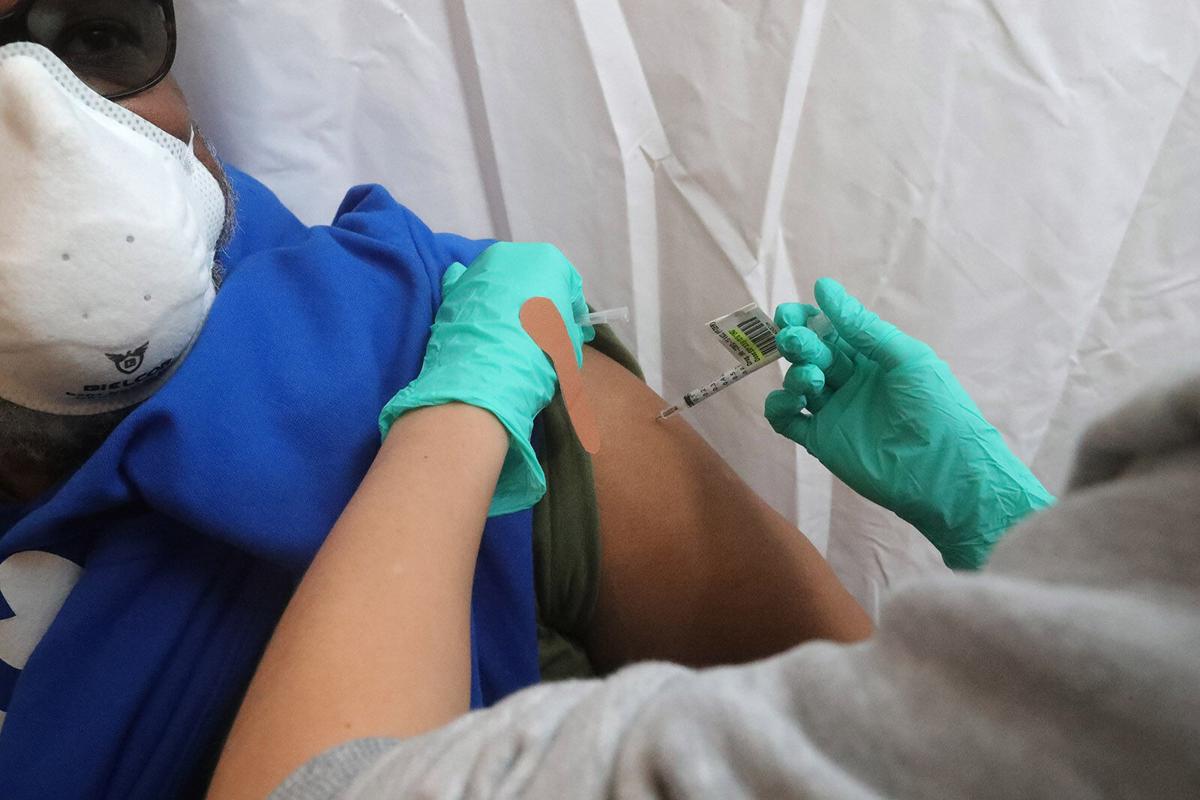
Racial disparities plague vaccine rollout in WNY and across U.S.

By Caitlin Dewey

Read the full article from The Buffalo News here.

“In New York, white residents have received a disproportionate share of vaccines in each of the state’s 10 regions and in all five counties of Western New York. That disparity is especially dramatic in Erie County: While white residents make up just over 81% of the population, they account for almost 91% of the newly vaccinated. Black residents, on the other hand, represent 5.7% of all vaccinated people (compared to 13.1% of the population), while Asian residents make up 2.5% of those vaccinated (3.6% of the population) and Hispanic residents make up 2.2% (4.5% of the population).”

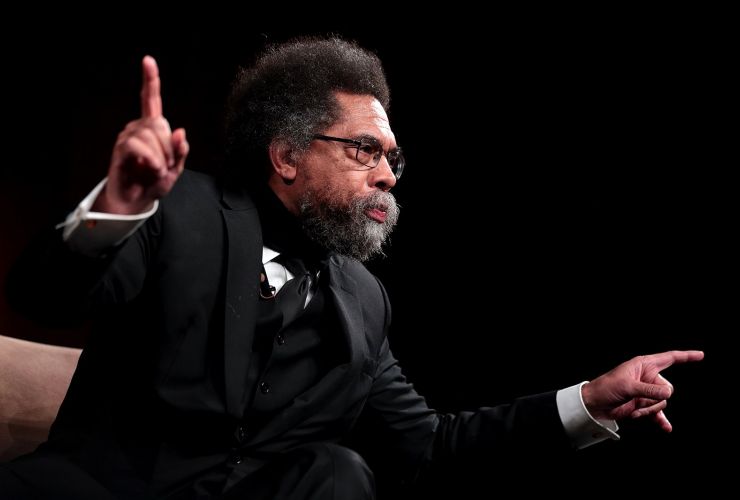
Why Cornel West’s Tenure Fight Matters

By Robin D.G. Kelley

Read the full article from Boston Review here.

“So when Harvard’s administrators tell Professor West that they cannot bring him up for tenure because it’s ‘too risky’ and he’s ‘too controversial,’ they completely undermine the point of tenure: to preserve and protect his freedom to speak truth to power, to expose injustice anywhere, to bring to bear his enormous critical faculties and prophetic voice to say those things we need to hear in order to advance knowledge and create a more just world. After all, neither his generous salary, nor the name on his endowed chair, nor all the effusive assurances from the administration will protect him from dismissal if, in the course of ‘offering ideas, views and analyses,’ he offends the powers that be or their donors.”

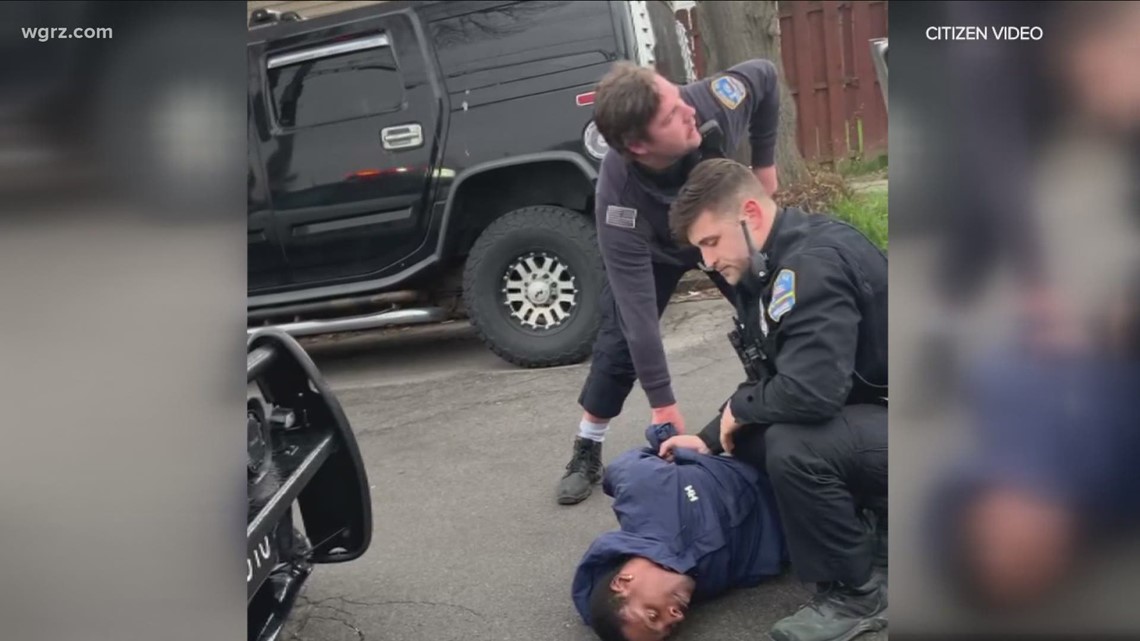
Buffalo police don’t belong in traffic enforcement

By Jalonda Hill

Read the full article from The Buffalo News here.

“The BPD’s history of disproportionately stopping Black drivers also counters the argument that police improve community safety. Stop receipt data from 2020 shows that 68% of receipts were issued to Black motorists, despite Black people making up roughly 37% of the city’s population. This apparent racism also drives the disproportionate and unjustified use of police force against unarmed people of color.”

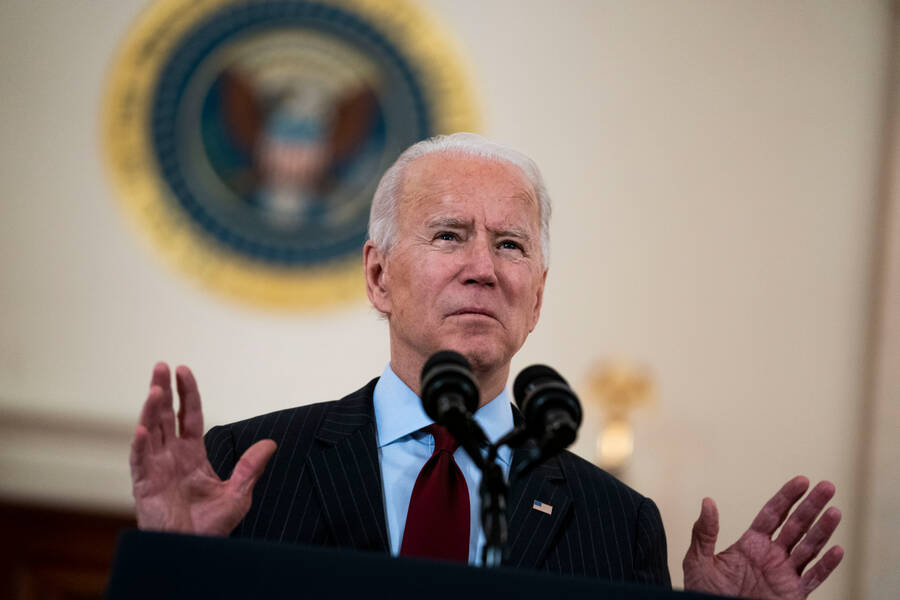
Joe Biden Is Following a Blueprint for Forever War

By Danny Sjursen

Read the full article from In These Times here.

“The campaign will do little to further the United States’ objectives in the Middle East (in as much as they can even be articulated at this point), but it heralds something more dispiriting still: That nearly two decades into a regional war, Washington (perhaps willfully) does not understand the Syria-Iraq-Iran nexus, and that the Biden administration is following a failed blueprint in the Middle East…”

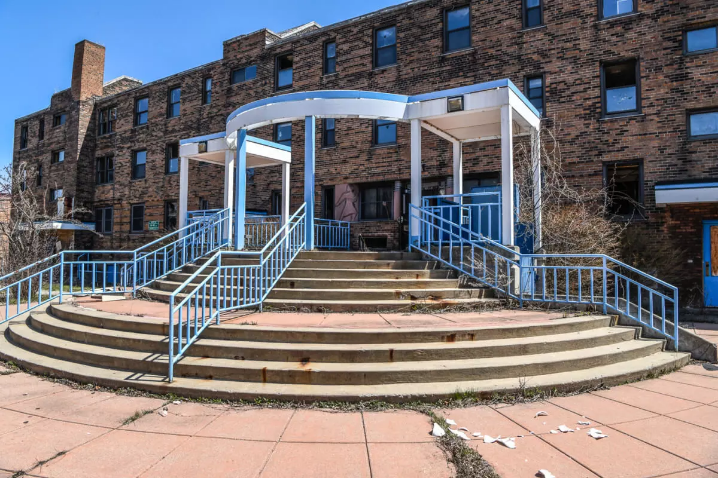
Whose History?

By Zach Mortice

Read the full article from The Architect’s Newspaper here.

“Despite the National Register of Historic Places eligibility ruling, Buffalo’s housing agency hasn’t pursued any landmarking and instead wants to tear almost all of the complex down while retaining the sculptures. ‘These buildings are really pretty crappy,’ [Mayor Brown] said. ‘Even in their prime, they were not particularly lovely. They look like barracks.'”

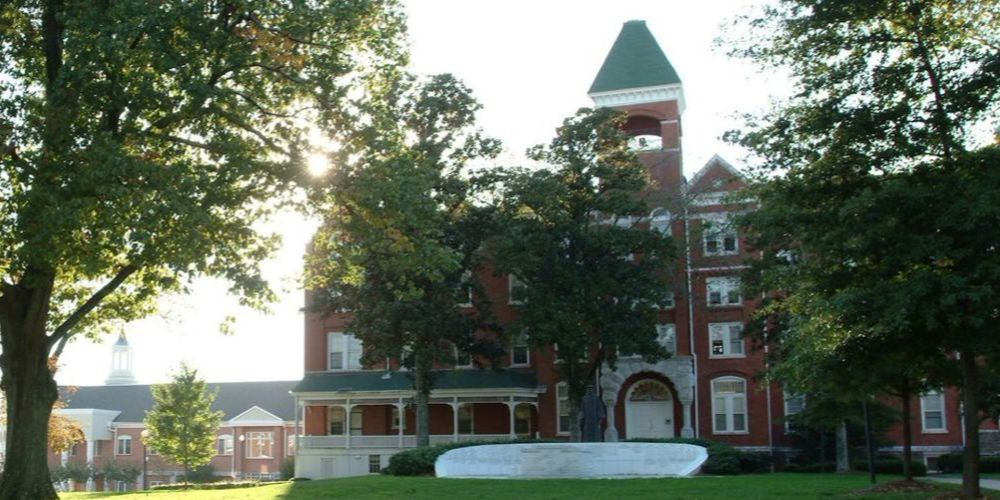
Morehouse College Announces Program to Help Black Men Finish School

ByDerek Major

Read the full article from Black Enterprise, here.

Morehouse College, an all-male Historically Black College and University (HBCU), has announced an online program with reduced tuition for Black men who have some college credits. The program’s flexibility will allow students to set their own pace finishing and with the program being online, students in the program do not have to be on campus or stick to a typical academic calendar.

8 Essential Steps to Radically Transform Our Economy

By David Korten

Read the full article from yes!, here.

There is a related rising awareness of the need for a serious update to how we study and think about economics and prepare our future leaders. With few exceptions, economics, as it’s taught in universities, relies on the same badly flawed theories and ethical principles that bear major responsibility for the unfolding crisis. It values life only for its market price; uses GDP growth as the defining measure of economic performance; assures students that maximizing personal financial return benefits society; recommends policies that prioritize corporate profits over human and planetary well-being; and ignores the natural limits of a finite planet.

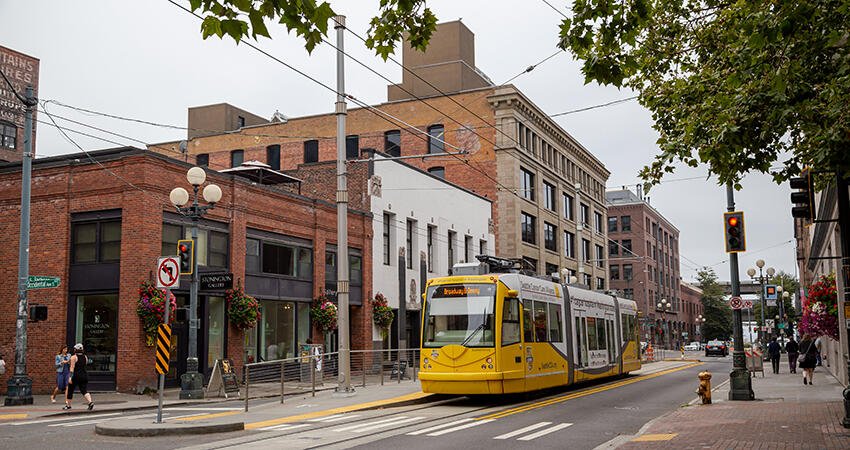
How Transit-Oriented Development Can Promote Equitable, Healthy Communities

By
Shadi O. Tehrani, Shuling J. Wu, and Jennifer D. Roberts

Read the full article from Housing Matters, here.

Where people live can significantly affect their health, well-being, and upward mobility. Cities have invested in transit-oriented development (TOD) to spur growth, revitalize neighborhoods, and promote healthy communities. Although the goal of TOD is often neighborhood revitalization and renewal, these strategies can inadvertently result in increasing rents and house values, residential or cultural displacement, and the widening of disparities in neighborhood resources, such as parks, as well as health outcomes, including obesity, among low-income communities and communities of color.

Translate »