Author: UB Center for Urban Studies

Eugene Debs: “Why We Have Outgrown the United States Constitution”

By Eugene Debs

Read the full article from Jacobin, here.

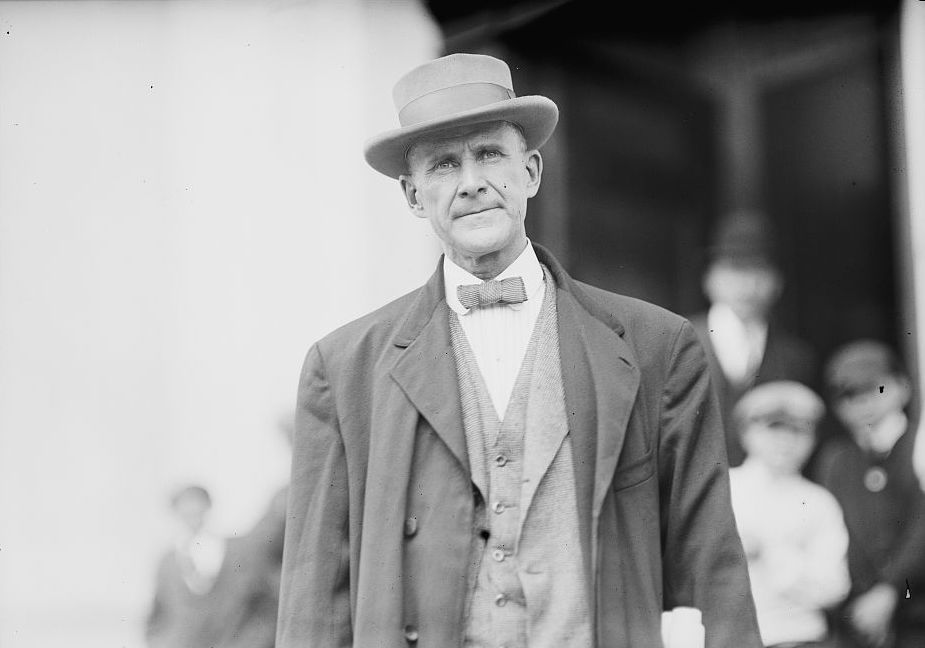
In a 1911 article, legendary socialist Eugene Debs excoriated the US Constitution as an “autocratic and reactionary document” written by aristocrats and “in every sense a denial of democracy.” To mark Presidents’ Day, we reprint the fiery essay here in full.

UB researchers release major U.N. report on food systems planning

By David J. Hill

Read the full article from UBNow here.

“The report comprises six sections featuring contributions from UB and other global food systems researchers. Topics covered include describing the many ways in which local governments influence a community’s food system, an overview of the field of food systems planning, examples of local government policies from across the globe, and case studies from a number of low- and middle-income countries where food systems present an opportunity for equitable innovation.”

Why Educators, Health Professionals, and Others Focused on Economic Mobility Should Care about Housing

From the McArthur Foundation

Read the full article from Housing Matters, here.

Cities striving to improve residents’ lives often focus on such issues as schools, parks, jobs, or health. Often overlooked is something equally fundamental. Trace the lineage of many social welfare issues, and you will likely uncover a history of substandard, unaffordable housing. Research increasingly shows that safe and affordable housing in strong and thriving neighborhoods is a launching pad to upward mobility for families.

Asian Americans Are Calling on Allies in Response to a Wave of Violence

By Bettina Makalintal

Read the full article from Vice, here.

In light of recent events, the Asian American community is continuing calls for action that began with the surge of anti-Asian violence last year. With the COVID-19 pandemic came an increase in xenophobia, anti-Chinese rhetoric, discrimination, and violence. More than 2,100 hate incidents targeting Asian Americans and related to COVID-19 were reported nationwide between March and June of 2020, according to the Stop AAPI Hate reporting center. A New York Times report from March recounted Chinese Americans’ experiences being spit on, yelled at, and attacked, though that racism has extended beyond the Chinese diaspora. President Trump’s contributions (calling COVID-19 the “Chinese virus,” “Wuhan virus,” and “Kung Flu” ) seemingly legitimized this growing racism, according to a United Nations report from August. (In response, President Biden signed an executive order condemning anti-Asian racism shortly after his inauguration.)
An Atlanta Neighborhood Will Finally Own Property as a Community

By Adina Solomon

Read the full article from Next City here.

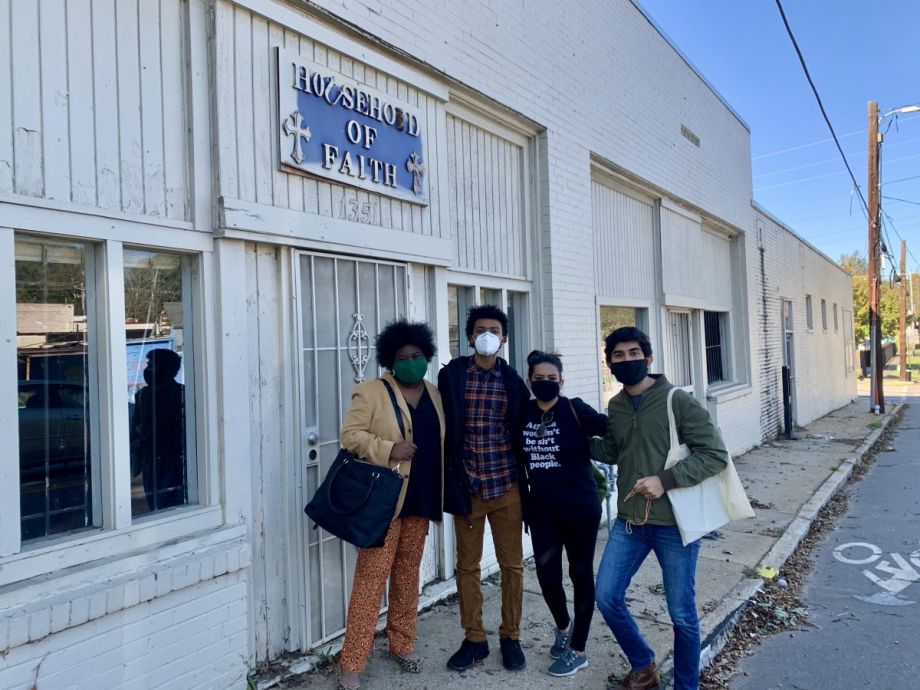
“The Guild’s model is a community real estate trust that allows for anyone in the building’s 30310 ZIP code to contribute $10-100 a month. That investment goes into shares of the trust. Resident investors get a return through an annual dividend and the share price, which is tied to property values in this gentrifying neighborhood. The idea is to shift returns from developers to the community.”

Surgery launches anti-racism, health care equity initiative with West lecture

By Ellen Goldbaum

Read the full article from UBNow here.

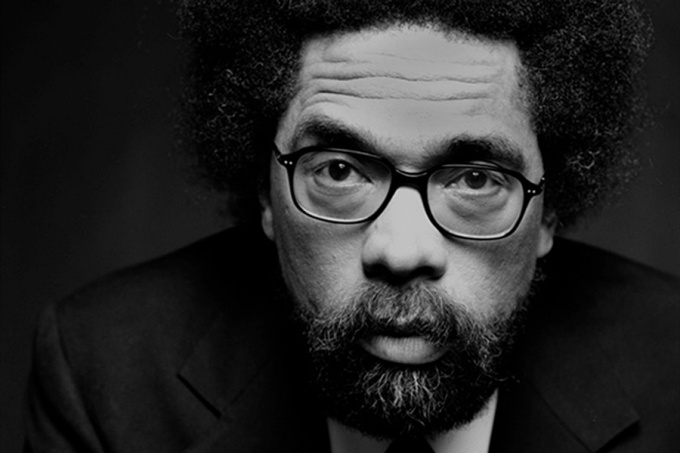
“Cornel West, Harvard University professor, bestselling author, political activist and public intellectual, will speak via Zoom at “Beyond the Knife,” the initiative’s first public event, from 4-5 p.m. on Feb. 18. This event is free and open to the public. Register and submit questions for the question-and-answer session online.”

Buffalo-made ‘The Blackness Project,’ now on Amazon Prime, keeps dialogue open on race relations

By Randy Schiff

Read the full article from Buffalo News here.

“University at Buffalo professor Henry Louis Taylor Jr., who narrates the film, contributes considerably to the documentary. Taylor rivetingly condemns Americans’ fateful choice after the Civil War to support ex-Confederates’ interests rather than build up Black Americans’ opportunities, and provides a poignant concluding call to pursue social justice.”

What’s at Stake in the Fight Over Reopening Schools

By Keeanga-Yamahtta Taylor

Read the full article from The New Yorker here.

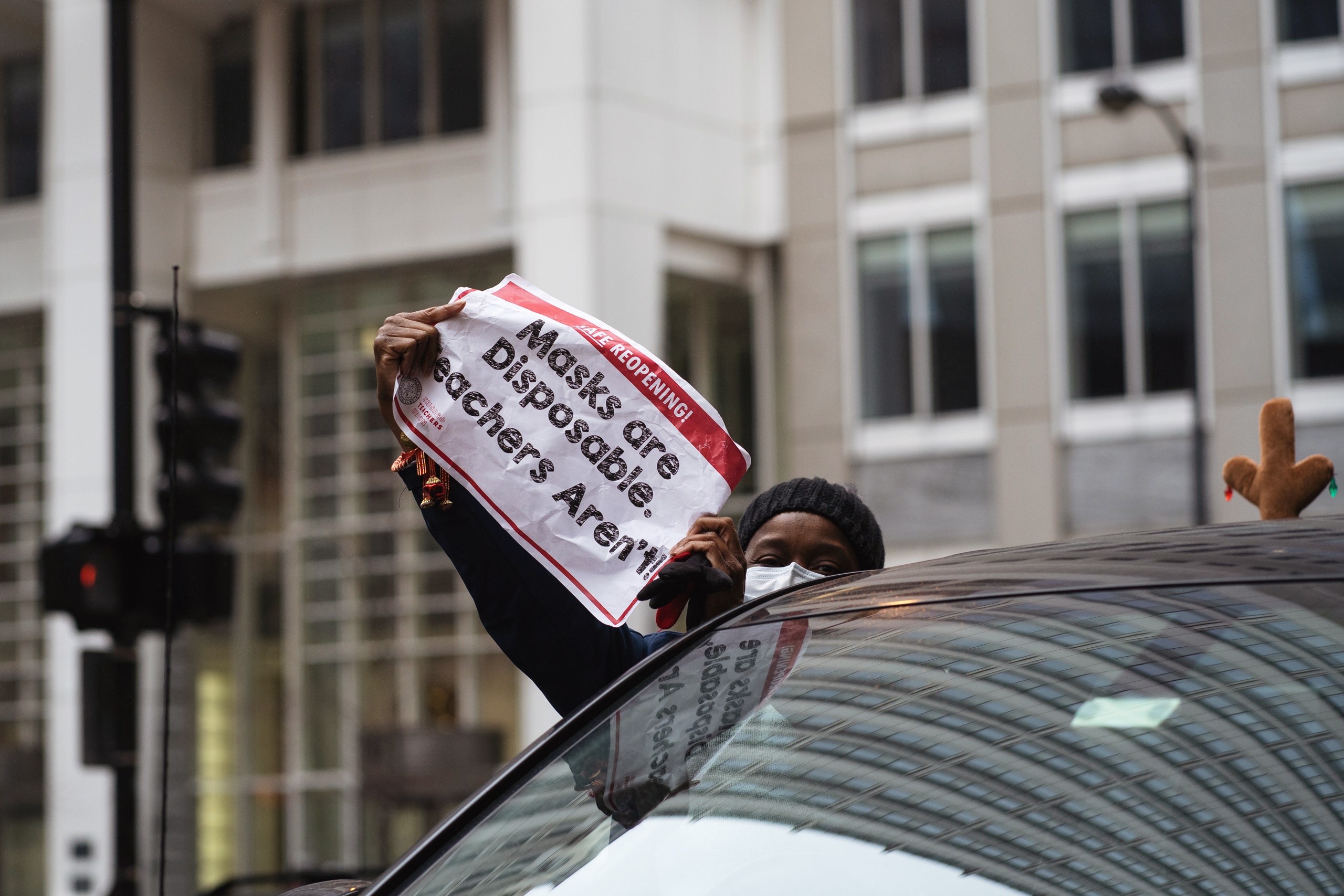
“Chicago schools were slated to reopen in the fall, when the school year began, but rising rates of community spread and a lack of proper protections resulted in the continuation of remote learning. Chicago Public Schools then announced that it would plan to reopen in January—just as infection rates and deaths were rising exponentially across the country. Chicago teachers voted with their feet. When they were asked to report to their buildings on January 4th, only forty-nine per cent did.”

Black Lives Matter movement nominated for Nobel peace prize

By Martin Belam

Read the full article from The Guardian here.

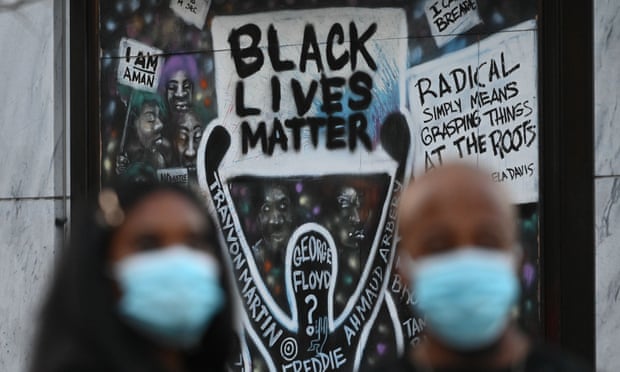
“The Black Lives Matter movement has been nominated for the 2021 Nobel peace prize for the way its call for systemic change has spread around the world. In his nomination papers, the Norwegian MP Petter Eide said the movement had forced countries outside the US to grapple with racism within their own societies. ‘I find that one of the key challenges we have seen in America, but also in Europe and Asia, is the kind of increasing conflict based on inequality,’ Eide said. ‘Black Lives Matter has become a very important worldwide movement to fight racial injustice.'”

How the United States Chose to Become a Country of Homelessness

By Dale Maharidge

Read the full article from The Nation, here.

In the ensuing months, tens of thousands of Americans have been evicted; according to the Eviction Lab, landlords have filed more than 162,500 eviction notices in the 27 cities it tracks. But the worst of the crisis has been averted so far by a patchwork of state moratoriums that have been supplemented, in turn, by a patchwork of federal efforts. In March, Congress passed a temporary eviction moratorium as part of the CARES Act; after that expired, in September, the Centers for Disease Control and Prevention (CDC) stepped in with its own temporary moratorium. Most recently, as part of the stimulus package passed in late December, Congress provided $25 billion in rental assistance to states and localities and extended the eviction moratorium to January 31. Renters breathed a sigh of relief.

Translate »