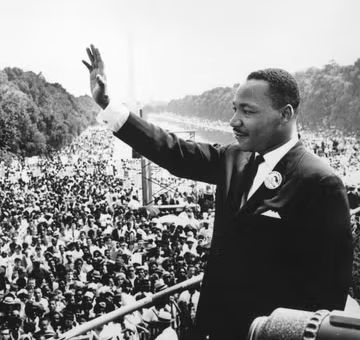
Reflections on Martin Luther King, Jr.’s Dream
This past Friday, I re-read Martin Luther King, Jr.’s iconic 1963 “I Have a Dream Speech.” On that hot, muggy August day, King noted with bitter irony that 100 years after the signing of...

This past Friday, I re-read Martin Luther King, Jr.’s iconic 1963 “I Have a Dream Speech.” On that hot, muggy August day, King noted with bitter irony that 100 years after the signing of...
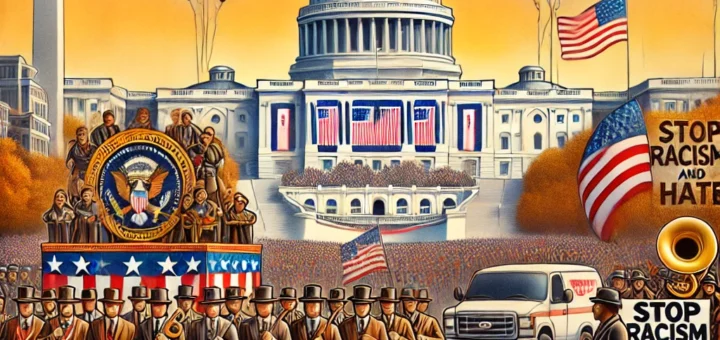
In his recent op-ed in the New York Daily News, Leonard Greene argues that the Mississippi Valley State University (MVSU), an HBCU marching band, should not be criticized for accepting an invitation to perform...
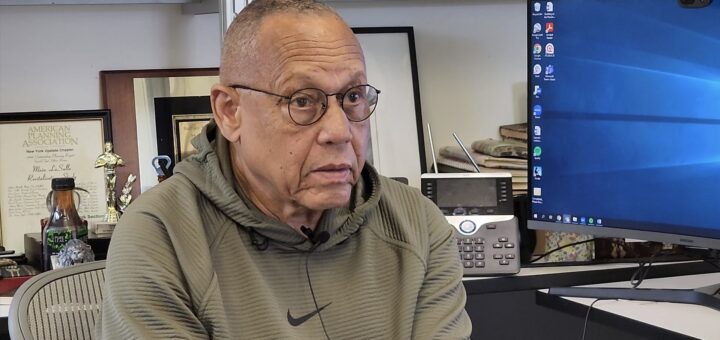
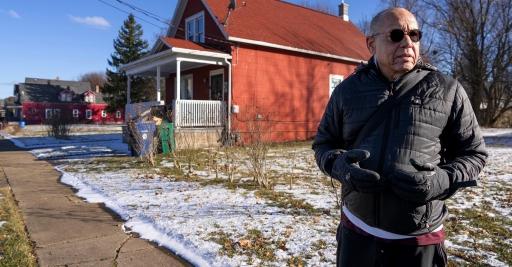
UB professor outlines “radical” challenge to traditional neighborhood redevelopment. What do you like about your neighborhood, the interviewer asked. What are your concerns? How optimistic are you that things will get better? There was...

Fifty years ago, the University at Buffalo was in the midst of a violent student rebellion, which involved pitch battles with the Buffalo police. On Sunday afternoon, March 15, a group of 45 U.B....
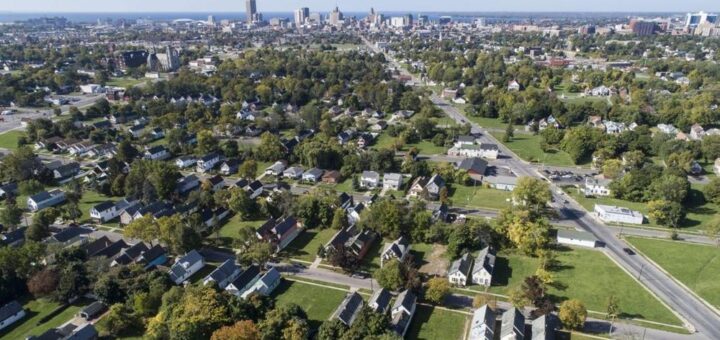
A News March 17 editorial stated that “housing is an urgent need.” A key element of this need is facilitating the transformation of the East Side into a thriving community of neighborhoods by implementing an...
How We Change the Black East Side: A Symposium M&T Auditorium JSMBS – Jacobs School of Medicine and Biomedical Sciences (JSMBS) Feb 26, 2024 The Harder We Run report indicated that Black Buffalo had...
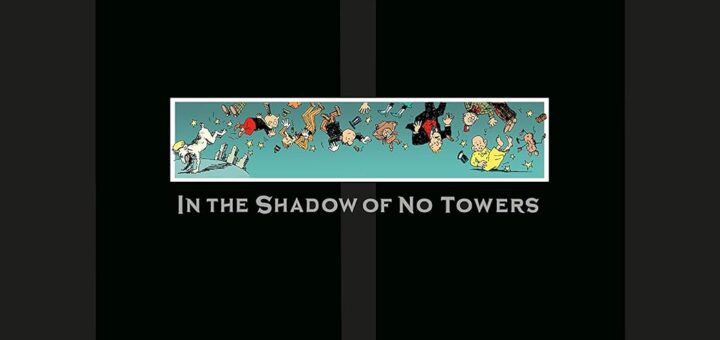
Beth Kwiatek & Henry-Louis Taylor September 11, 2023 How should we remember 9/11? It is a day for remembering and honoring. It is a day for learning lessons from the past. It...

People should be very concerned about the impact this might have on Chinese-Americans and all other Asian-American, Henry Louis Taylor, Jr. and Beth Kwiatek, May 2, 2023 Tension between the United States and China...
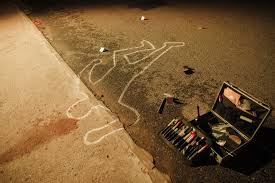
By Henry Louis Taylor, Jr. The causes of Black-on-Black violence are not really complicated. It results from under resourced and inadequate schools, limited recreational activities, substandard housing, rent and price gouging, dilapidated physical environments,...
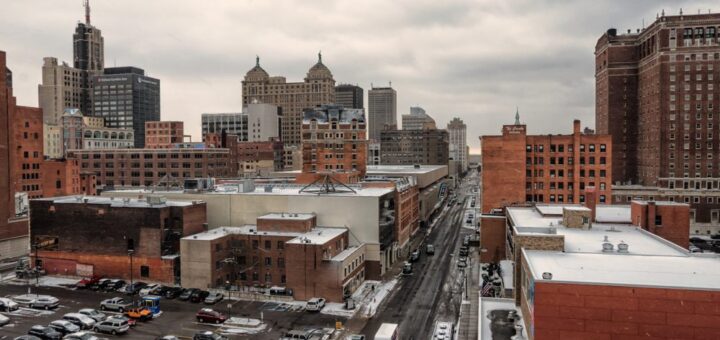
Buffalo is one of the most segregated urban centers in the United States, and the high concentration of Black people on the East Side is what attracted a racist killer to the “City of Good Neighbors”...