Category: Selected Media

Urban Planning and the Building of a New Society

By Henry Louis Taylor Jr.

“[Our] world was a deeply flawed one characterized by racism, classism, misogyny, homophobia, hyper-privatization and the maldistribution of wealth, needless poverty, unnecessary hardship, ghetto-slums, mass incarceration, premature death and injustice. The type of cities, suburbs and economy built for inhabitation played a critical role in shaping the differential existence that produce exclusivity, inequity, inequality and injustice among the people.”

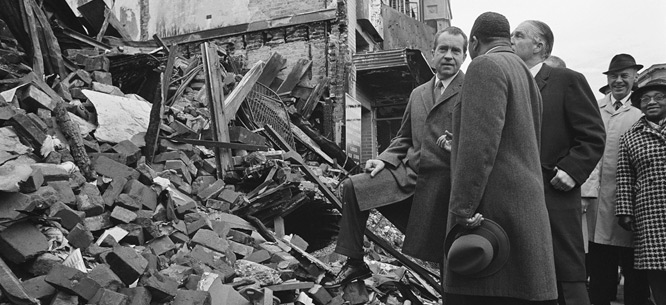
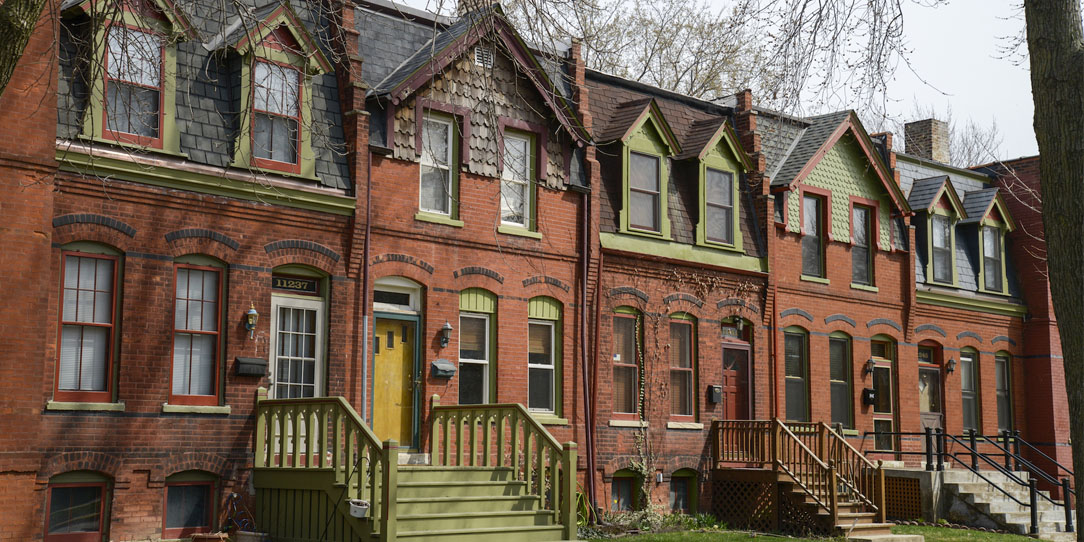
How Real Estate Segregated America

By Keeanga-Yamahtta Taylor

Read the full article from Dissent, here.

“The subprime mortgage crisis, and the wider housing and economic crisis it produced, was the culmination of a long period of predatory inclusion of African Americans in the housing market, which can be traced back to the era of housing and credit reform in the late 1960s and 1970s. After decades of exclusion, African Americans were finally promised access to the robust housing market that had fueled the ascension of the white middle class in the second half of the twentieth century.”

Reflections of an Activist Scholar: Henry Louis Taylor, Jr.

Remarks by Henry-Louis Taylor, Jr.

“I am an activist turned scholar, not a scholar turned activist. I started my professional career as a clinical audiologist. My father, who received his Ph.D. from Cornell University in 1954, always challenged me to use my skills and talents in service of black people and to help build a better, more just and humane world. So, I obtained a Master’s Degree in clinical audiology, and became director of audiology at a small Speech and Hearing Clinic in Newport News, Virginia. In the late 60s, like many of my peers, I was radicalized, moved my clinical operations to near-by Hampton Institute, a historically black college, and joined a militant organization modeled after the Black Panther Party.”

Housing and Neighborhood Development

By Henry Louis Taylor Jr.

“Neighborhoods matter in the quest to mitigate the harmful effects of poverty and low-incomes on the lives of Erie County residents. An abundant literature argues that neighborhood contexts are, in themselves, important determinants of the life chances and outcomes of people’s lives. The individual, the neighborhood, and the institutions, found inside and outside the community, interact to influence the socioeconomic wellbeing of its residents.”

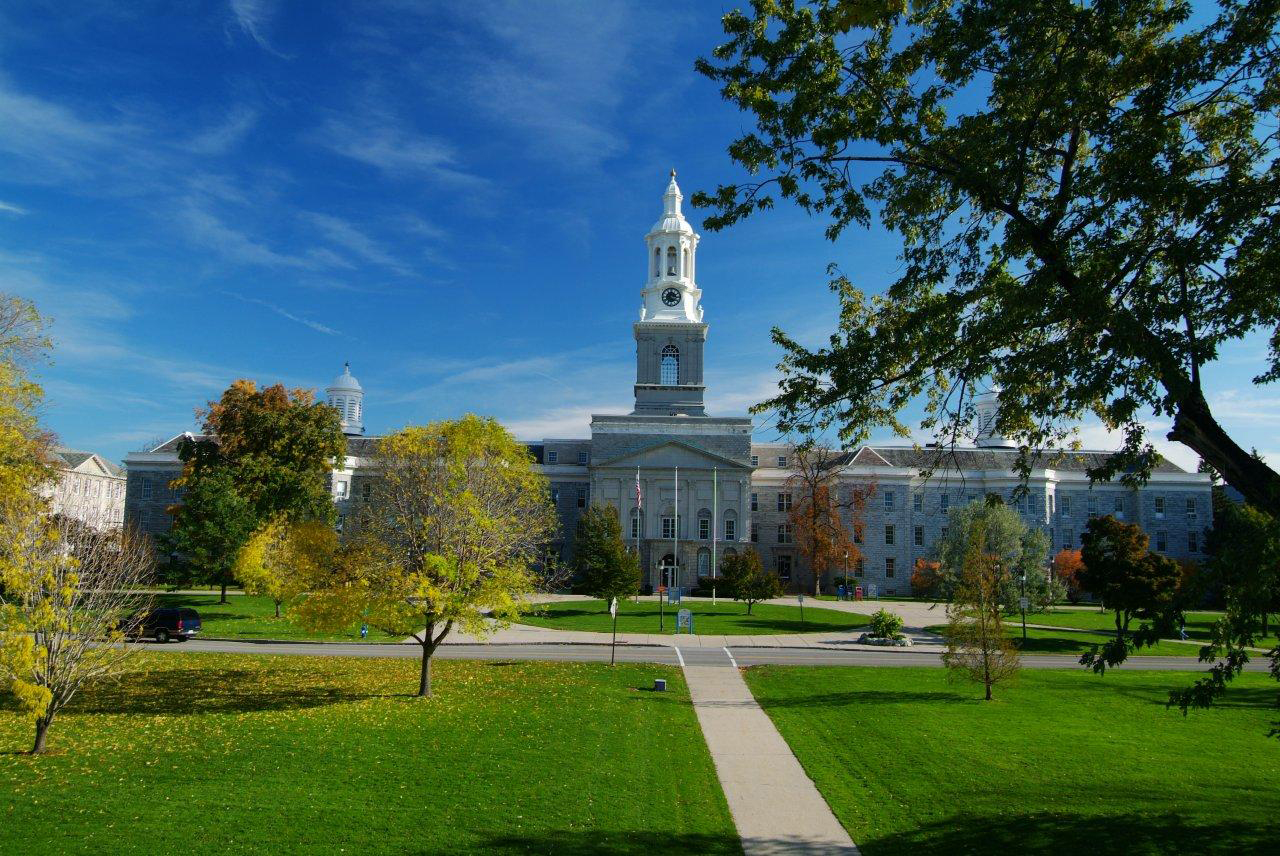
Higher education and the poverty challenge

By Henry Louis Taylor Jr.

“My argument is that the War on Poverty failed because it was based on a set of false assumptions. Poverty is not a curable disease caused by the interplay of culture and individual shortcomings, but rather it is a normalized economic state within the neoliberal capitalist system. Therefore, the positionality of people within the economy is determined by racialized labor market dynamics, which distributes high-, middle-, and low-income jobs to laborers in the workforce. Within this labor market system, poverty is a subdivision of the low-income employment sector.”

Camp Neighborhood Development

By Henry Louis Taylor Jr.

“The Fruit Belt neighborhood is a more colorful place thanks to the work of these students. A rusty chain-link fence around the Futures Academy community garden is now covered by a painted mural, a project informed by lessons in color theory and the effects of color on mood. Leading visitors through the garden is series of stepping stones, each painted with the students’ aspirations for their future neighborhood. That project was based on fieldwork in the community. Just beyond the borders of the garden is a “little library” constructed with a repurposed palette – and adorned with the colorful imagination of these campers.”

Reflections on the Cuban International Conference on Hygiene and Epidemiology: Building Bridges of Cooperation with Latin America

By Henry-Louis Taylor, Jr.

“The social determinants and social determination of health frameworks view health and disease as social products, which are unevenly distributed throughout society. Health, then, is a social phenomenon that intersects with health equity and social justice. It is influenced by multifarious social, economic and physical conditions, including economic stability, education, social and community context, health and health care, and neighborhood and built environment, and, as such, it requires an intersectoral approach to research, policy-making, and intervention.”

Baton Rouge: A Divided City

By Dr. Lori L. Martin

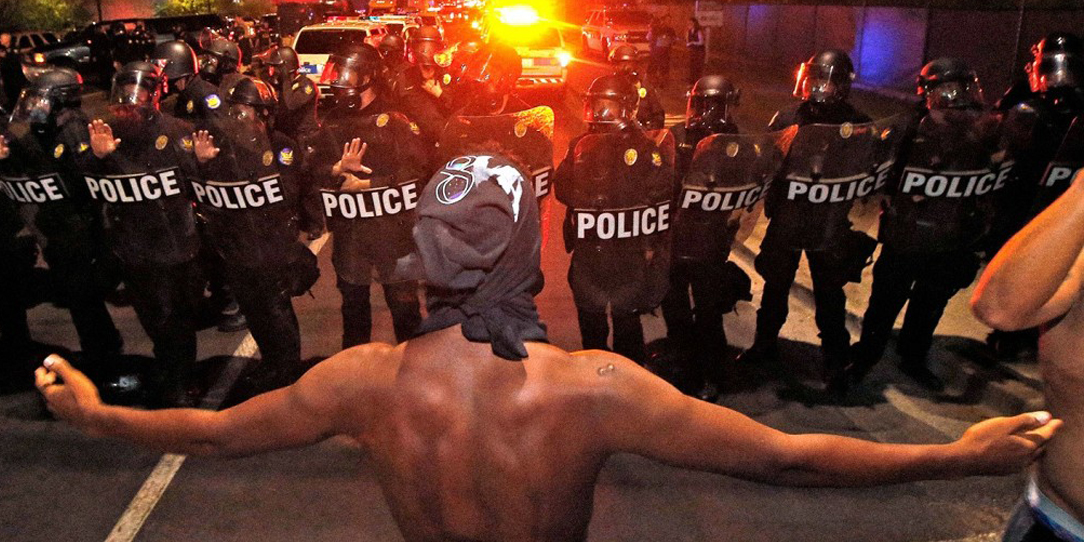
“Baton Rouge is a city divided by many fault lines. A single street divides the city’s predominately white and black communities. North Baton Rouge, where Alton Sterling was killed, is under developed relative to south Baton Rouge. Access to emergency rooms, quality schools, healthy food, reliable transportation, and good jobs are limited, while health care complexes, blue ribbon schools, business and industry flow freely to the south.”

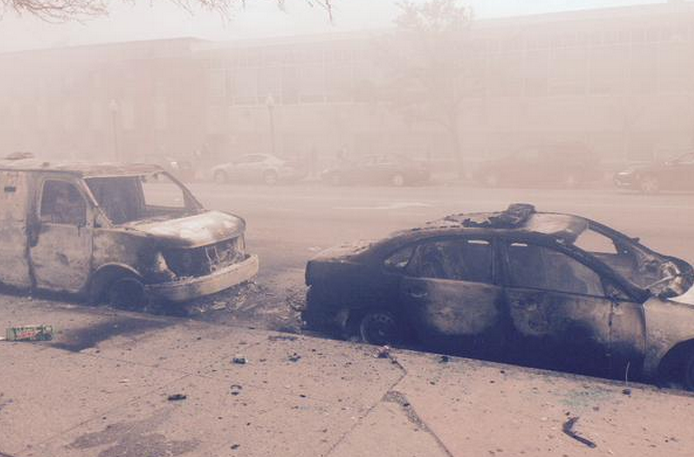
In Baltimore and Across the Country, Black Faces in High Places Haven’t Helped Average Black People

By Keeanga-Yamahtta Taylor

Read the full article from In These Times, here.

“Fewer than 40 miles from Baltimore, in the nation’s capitol, resides the nation’s first African-American president. There are 43 Black members of Congress and two Senators—the highest number of Black Congress members in American history. And just as the West Side of Baltimore was erupting against the police killing of Freddie Gray, Loretta Lynch became the first Black woman appointed as Attorney General.”

Translate »